
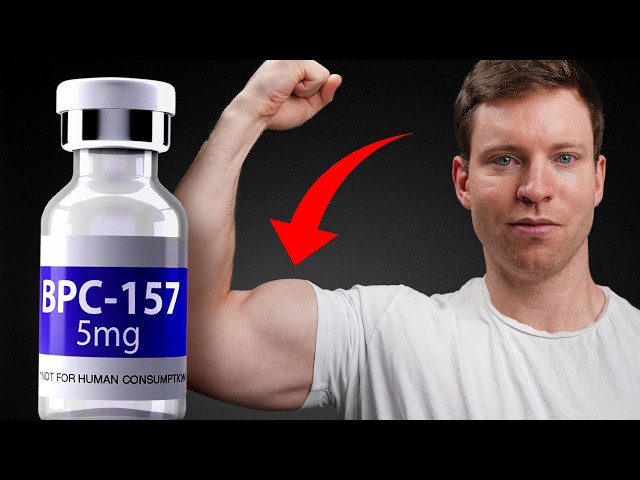
BPC 157 has become one of the most talked about research peptides in modern bodybuilding. It is promoted as a regenerative powerhouse that supports tissue repair, gut health, and recovery. The big question for lifters is simple. Does BPC 157 build muscle, or is the hype louder than the science? In this guide you will learn what BPC 157 actually does inside the body, how it influences the muscle building process, whether it directly increases muscle mass, what its limitations are, and how lifters are using it in real training environments. This is written for athletes, enhanced lifters, and beginners who want a clear, realistic picture of what BPC 157 can and cannot do.
What BPC 157 Is and How It Works
BPC 157 is a synthetic fragment of Body Protection Compound, a peptide originally isolated from gastric juice. It is known for its strong influence on angiogenesis, fibroblast recruitment, collagen synthesis, and tendon and intestinal healing. These functions matter for bodybuilders because muscle growth is closely linked to the speed and quality of tissue repair. When you shorten the recovery time between sessions, you can train harder and more frequently, which has a direct impact on hypertrophy potential. BPC 157 supports blood vessel formation and improves nutrient delivery to damaged tissues. This creates a more efficient healing environment that sets the stage for growth.
Does BPC 157 Directly Build Muscle?
Here is the honest answer. BPC 157 does not directly stimulate hypertrophy the way an anabolic steroid or IGF 1 peptide does. It does not increase protein synthesis at a rate that produces visible muscle growth on its own. Instead it improves the conditions that allow muscle to grow. Think of it as an accelerator for recovery rather than a direct muscle builder. In animal studies BPC 157 showed measurable improvements in tendon strength, muscle regeneration after injury, and angiogenesis. These improvements support indirect growth by letting you train without setbacks, pain, or chronic inflammation. Many lifters report that BPC 157 helps them push harder within a training block, especially when recovering from overuse injuries or microtears that would normally slow progression.
Real World Results in Bodybuilding Settings
Although human clinical research is limited, the anecdotal data pool from athletes and enhanced lifters is massive. This makes it possible to see patterns in how BPC 157 performs under real training loads. The most common reports include faster recovery between sessions, reduced joint inflammation, relief from nagging tendon pain, improved mobility during heavy lifts, better pump quality due to increased blood flow, and accelerated healing from strains or soft tissue injuries. These effects do not directly increase muscle size, but they allow for higher training density, increased volume, and more consistent progressive overload. This is the foundation of long term muscle growth.
Why Recovery Peptides Influence Hypertrophy Outcomes
Building muscle requires three key factors. Mechanical tension, metabolic stress, and adequate recovery that allows adaptation. Many lifters master the first two but fall short on the third. Fatigue builds up, tissues weaken, and injuries disrupt training. BPC 157 fits into the recovery pillar. It accelerates the healing of connective tissues and reduces inflammation so the body can tolerate more productive sessions. Better recovery leads to more training frequency, which leads to more stimulus. Over twelve to sixteen weeks this creates measurable muscle gain even though the peptide itself is not anabolic.
How Bodybuilders Use BPC 157 for Muscle Growth
The most common use cases include recovery blocks during high volume hypertrophy phases, deload periods where lifters want to repair connective tissue, post injury protocols for strains or tendon issues, and ongoing support for lifters over 30 who accumulate wear over time. Many athletes combine BPC 157 with TB 500 for a more comprehensive healing effect. Others pair it with anabolic agents or growth peptides to ensure joint and tendon structures keep pace with strength increases.
How Long BPC 157 Takes to Produce Results
Most lifters notice effects within one to two weeks. Recovery improvements tend to be the first noticeable change. Mobility, inflammation reduction, and pain relief typically follow. Structural changes such as improved tendon integrity take longer. These usually show up after four to six weeks. Visible muscle growth related to improved training capacity usually emerges between six and twelve weeks based on real world reports.
How Much BPC 157 Is Effective
The most common effective range in bodybuilding circles is 250 to 500 micrograms per day. Some users split the dose into morning and evening injections to maintain stable levels. Higher doses do not appear to accelerate healing much faster. Consistency is more important than peak dose. Site specific injections are no longer considered necessary. Recent data and anecdotal reports suggest that systemic administration works equally well.
Safety Profile and Liver Impact
There is no evidence that BPC 157 causes liver damage. In fact some early research suggests possible liver protective effects under certain conditions. The peptide is considered low toxicity, although long term human studies are still limited. Most reported issues come from poor quality research peptides rather than the compound itself. Sourcing from reputable vendors is essential.
How to Know if BPC 157 Is Working
Signs that BPC 157 is having a positive effect include reduced soreness between sessions, noticeable improvements in connective tissue comfort, increased training capacity, better sleep recovery due to reduced inflammation, and faster return to normal loading after strains or minor injuries. Many lifters describe a smoother feeling in joints during heavy pressing or squatting.
Final Verdict: Does BPC 157 Build Muscle?
BPC 157 does not operate like a traditional anabolic compound. It does not directly increase protein synthesis or hypertrophy output. What it does exceptionally well is improve recovery speed and tissue quality. This allows for more sets, more frequency, fewer missed workouts, and sustained progressive overload. Over time this indirectly increases muscle growth. For lifters who struggle with chronic pain, slow recovery, or overuse injuries, BPC 157 can be a powerful tool for unlocking long term progress.