
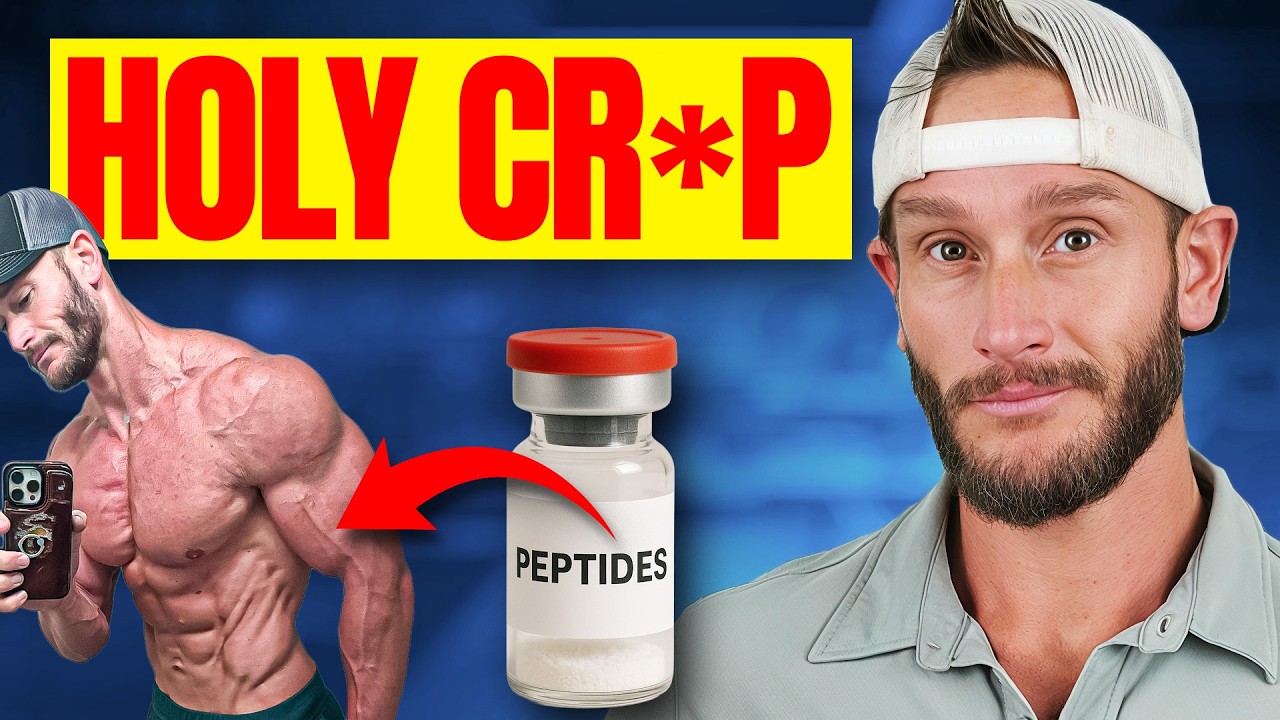
Do bodybuilders use peptides is one of the most common questions in the performance enhancement world, and the answer is yes. Peptides have become a major part of modern bodybuilding because they offer targeted benefits for muscle growth, fat loss, recovery, and joint health with a different safety profile compared to traditional anabolic drugs. Their popularity has grown even faster in recent years due to better research, broader accessibility, and real world results shared on forums, podcasts, and social media. This article breaks down how bodybuilders use peptides, which compounds are most common, and what results people actually report. It is written to help readers understand what peptides can realistically do and what they cannot do.
Bodybuilders use peptides for five core reasons. They want to accelerate recovery, build lean muscle, heal chronic injuries, increase fat loss, and optimize hormones. Unlike steroids, peptides tend to work by signaling the body to produce something naturally such as growth hormone or collagen. This is why many lifters view peptides as a bridge between natural enhancements and more aggressive anabolic strategies. They occupy a middle ground that improves performance without jumping into harsher compounds.
The most popular peptide category among bodybuilders is growth hormone releasing peptides. These include CJC 1295, Ipamorelin, Mod GRF, Sermorelin, and GHRP type compounds. They stimulate natural GH pulses which support fat loss, deeper sleep, recovery after training, and improved collagen integrity. Lifters who run heavy workloads often use these peptides to maintain soft tissue health and keep joints moving smoothly. The effects are gradual but noticeable. Bodybuilders report better sleep, fewer aches, and improved body composition within several weeks.
Battle tested recovery peptides such as BPC 157 and TB 500 are also widely used. These peptides do not directly build muscle, but they allow lifters to train without interruption. When a torn tendon or inflamed elbow forces someone to modify their program, these peptides help accelerate healing. Many lifters call them the most practical peptides available because they reduce downtime and protect long term performance. Forums are full of stories where a lifter used BPC 157 to fix nagging knee pain or TB 500 to recover after a strained shoulder. These compounds have become staples for high volume bodybuilders who constantly push their connective tissues near their limit.
Muscle building peptides such as IGF 1 LR3, IGF DES, and PEG MGF are used less often but still maintain a strong following. These peptides influence muscle hyperplasia, cell proliferation, and localized growth responses. Their effects are more direct compared to recovery peptides, and lifters who use them generally follow strict training protocols to maximize response. People who experiment with IGF 1 often focus on stretch mediated hypertrophy and high tension training because these conditions amplify how the peptide works. The results tend to be subtle rather than dramatic, but combined with proper training they help bodybuilders break through plateaus.
Fat loss peptides also play a role in bodybuilding prep cycles. Compounds such as Fragment 176 191, CJC 1295 blends, and growth hormone releasing peptides create a metabolic environment where fat oxidation increases. These peptides are not magic solutions, but they support a calorie deficit and help athletes lean out while preserving muscle. Bodybuilders who use peptides during contest prep often combine them with cardio, strict macronutrient timing, and carb cycling strategies. The peptides make the process more manageable and help maintain fullness during the final weeks.
One reason peptides are popular in bodybuilding is that they offer a sense of control. Steroids flood the body with synthetic hormones which can cause suppression, side effects, or unpredictable reactions. Peptides rely on natural pathways and tend to produce milder, more manageable changes. This gives athletes more confidence that they are improving their performance without sacrificing long term health. Bodybuilders often stack peptides strategically based on training block goals. For example, they use BPC 157 during strength phases to protect joints, growth hormone releasing peptides during recomp phases, and IGF based peptides during hypertrophy cycles.
Are peptides safer than steroids? Many bodybuilders believe so, but safety depends heavily on dosing, sourcing, and individual health. Peptides bought from research grade suppliers can vary in purity, which increases the risk of contamination. Medical grade peptides from physicians or compounding pharmacies offer far more reliability. The physiological pathways peptides activate are also different from the androgenic pathways triggered by steroids. This is why lifters view peptides as lower risk tools that still support performance.
There is a large culture gap between competitive bodybuilders and casual lifters when it comes to peptide use. Competitive athletes tend to stack multiple peptides and run long term protocols. Recreational lifters usually choose one or two peptides to fix a problem or improve recovery. The bodybuilding community shares its results openly, and this transparency influences mainstream fitness. Everyday gym goers now understand peptides better because bodybuilders document their experience online. This helps people learn dosages, timings, injection strategies, cycling patterns, and common expectations.
Do peptides work for bodybuilders? Yes, but the impact depends on training consistency, nutrition, recovery, and peptide quality. Peptides work best for athletes who already sleep well, follow strategic programs, and maintain strong dietary habits. They amplify a good routine rather than replace discipline. People expecting steroid like effects will be disappointed. People looking for smoother training, faster healing, and better body composition see meaningful results.
The bodybuilding world also uses peptides to stay competitive across age groups. Masters competitors rely on GH releasing peptides and recovery peptides to maintain elasticity, vitality, and resilience. Younger athletes use peptides to support connective tissue before injuries develop. This preventative use explains why peptides are becoming more mainstream. Athletes see them as tools for longevity, not shortcuts.
In summary, the answer to do bodybuilders use peptides is absolutely yes. Peptides are now part of the modern bodybuilding toolkit. They help lifters train harder, recover faster, and stay healthier throughout long training cycles. They support muscle growth indirectly, preserve joint health, and promote consistent performance year after year. While not a magic solution, peptides have earned a permanent place in bodybuilding culture because they enhance the foundation that drives long term progress.