
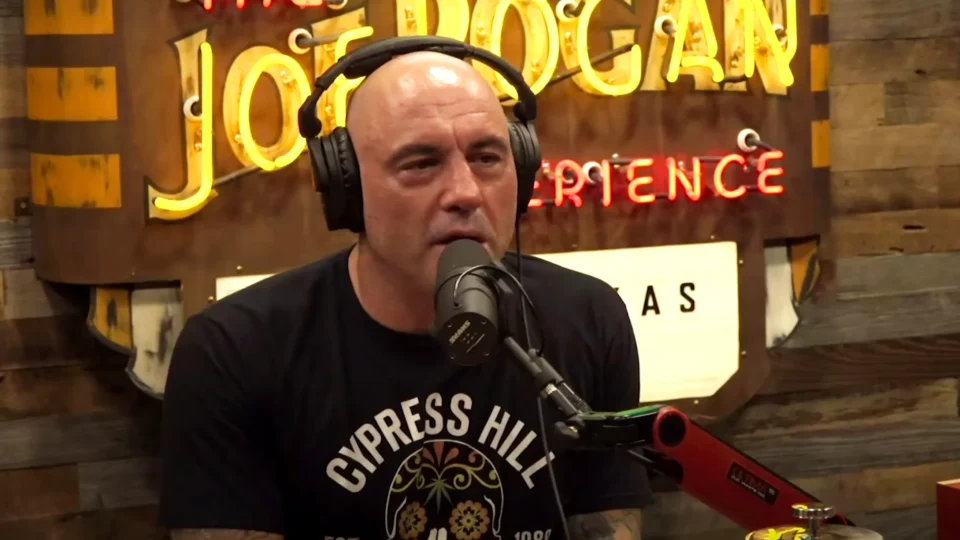
The question what peptides does Joe Rogan take has become one of the most searched topics in the fitness and longevity community. Rogan has built a reputation as someone who tests cutting edge performance tools and speaks openly about his personal protocols. Even though he is not a bodybuilder, his routine influences millions of lifters who want to understand which peptides might support recovery, muscle growth, fat loss, and healthy aging. This article breaks down the peptides Rogan has publicly discussed, what they do, and how everyday lifters interpret his approach. It also covers whether these peptides make sense for someone who lifts regularly or trains seriously, and what expectations are realistic.
The Peptides Rogan Has Mentioned Publicly
Before diving in, it is important to state that Rogan is not a physician and does not publish scientific protocols. Everything he discusses is based on personal experience and conversations with experts. The peptides he has talked about include BPC 157, TB 500, CJC 1295 with Ipamorelin, and occasionally other regenerative or growth based compounds. These are frequently mentioned on his podcast during discussions about training, longevity, recovery, and injury management.
BPC 157 and Why Rogan Mentions It Often
BPC 157 is one of the peptides Joe Rogan brings up most consistently. He has discussed using it for recovery after injuries and intense training. BPC 157 is known for accelerating healing in tendons, ligaments, muscle tissue, and the gastrointestinal system. It supports angiogenesis, fibroblast activity, and collagen repair. These functions make it valuable for anyone who trains regularly and deals with chronic inflammation or microtears. Rogan has stated that the peptide helped him recover noticeably faster from injuries and allowed him to train again sooner. Many lifters resonate with this because long term progress depends heavily on uninterrupted training blocks.
TB 500 and Systemic Recovery Support
TB 500 is another peptide Rogan has mentioned. It is a synthetic version of thymosin beta 4, a naturally occurring protein involved in tissue repair. TB 500 supports cell migration, inflammation reduction, and recovery of soft tissue structures. It works systemically rather than locally, which makes it popular among athletes who feel beat up from high volume training. Rogan has referenced TB 500 in discussions about full body recovery and maintaining performance while training frequently. People in the lifting world often stack TB 500 with BPC 157 for a more complete healing effect.
CJC 1295 with Ipamorelin and Growth Hormone Support
Rogan has also talked about growth hormone releasing peptides such as CJC 1295 combined with Ipamorelin. These peptides stimulate natural growth hormone production without using synthetic HGH. Growth hormone influences recovery, sleep quality, fat metabolism, and collagen production. Many people in longevity and fitness circles use this combination as a milder and more controlled alternative to traditional HGH therapy. Rogan has mentioned them in discussions about anti aging and maintaining vitality as he gets older. Lifters often explore these peptides when seeking improved recovery and body composition changes, especially as natural hormone levels begin to decline with age.
Why Rogan’s Peptide Use Influence Matters
Millions of people follow Joe Rogan and view him as a trusted source of information on health and performance tools. Even when he is not promoting something, the act of mentioning a peptide can create massive interest. This influence shapes search trends, supplement popularity, and the behavior of fitness enthusiasts. When Rogan discusses BPC 157 or TB 500, it pushes the mainstream conversation toward recovery peptides instead of traditional anabolic compounds. His influence also normalizes discussions about peptides that used to be underground within bodybuilding circles. This helps people see peptides as part of long term athletic maintenance rather than extreme enhancement methods.
How Lifters Interpret Rogan’s Protocols
Bodybuilders and recreational lifters often use Rogan’s comments as a starting point to explore peptide therapy. They apply his experience in practical ways that support their own goals. For example, lifters use BPC 157 to recover from elbow or shoulder strain that disrupts pressing movements. Others use TB 500 during heavy squat or deadlift cycles to reduce connective tissue stress. Longevity focused lifters experiment with CJC 1295 and Ipamorelin for better sleep, improved fat loss, and recovery after high intensity interval training. Although Rogan is not using peptides for extreme physique enhancement, his routine overlaps with the needs of many serious athletes.
What These Peptides Actually Do for Muscle Growth
None of the peptides Rogan has discussed are direct anabolic agents. They do not dramatically increase protein synthesis or produce rapid hypertrophy. Instead, they strengthen the foundation that supports muscle growth. They enhance recovery, reduce inflammation, improve sleep quality, and strengthen connective tissues. These improvements allow lifters to train harder and more consistently. The result is better long term progress. People who expect rapid muscle gain from Rogan style peptide use will be disappointed. People who want to train pain free and maintain performance will benefit significantly.
Are These Peptides Safe
Rogan usually emphasizes caution and responsible experimentation. BPC 157 and TB 500 are considered low toxicity peptides, although long term human studies are limited. Growth hormone releasing peptides are also widely used but should be overseen by a knowledgeable clinician. The biggest risk comes from poor quality sourcing. Peptides purchased from low tier vendors may contain contaminants or inaccurate dosages. This is why most athletes prefer physician guided peptide therapy or reputable compounding pharmacies.
Should Small or Local Business Owners, General Lifters, or Weekend Athletes Consider These Peptides
Peptides are not only for elite athletes. Many people benefit from improved recovery and reduced joint pain. Anyone who lifts multiple times per week, works long hours, and deals with stress will appreciate the way recovery peptides make training more manageable. BPC 157 can support longevity in the gym. TB 500 can help maintain mobility as workloads increase. CJC 1295 with Ipamorelin can improve sleep and metabolic balance. The key is understanding that these are recovery tools, not shortcuts. They amplify the training you already do. They do not replace hard work.
Realistic Expectations for Anyone Considering Rogan’s Peptides
People who model their peptide use after Joe Rogan should expect improvements in the following areas. Faster recovery after injuries. Better tolerance for high volume training. Reduced inflammation in joints and tendons. Improved sleep and overall vitality. Support for long term training longevity. What they should not expect is rapid muscle gain, steroid like strength increases, or dramatic physique changes. These peptides support a long term athlete lifestyle. They help the body maintain balance, stay healthy, and perform consistently year after year.
Final Thoughts
Answering the question what peptides does Joe Rogan take reveals a simple truth. His peptide choices reflect a recovery first philosophy rather than a mass building strategy. He uses BPC 157, TB 500, and growth hormone releasing peptides to preserve performance and speed recovery. These peptides make sense for lifters, athletes, and everyday people who want to train consistently without chronic pain. They also open the door to a broader conversation about longevity based enhancement rather than short term shortcuts. For anyone exploring peptides for the first time, Rogan’s approach provides a solid framework that focuses on healing, resilience, and sustainable performance.